

In the dynamic landscape of cold chain logistics, the demand for sustainable and efficient packaging solutions has never been higher. As a leading supplier of Reusable Cold Chain Packaging, I've witnessed firsthand the transformative power of these solutions in revolutionizing the way temperature-sensitive products are shipped. One question that often arises in the industry is whether reusable cold chain packaging can be tracked during shipping. In this blog post, I'll delve into the intricacies of this topic, exploring the technologies and benefits of tracking reusable cold chain packaging.

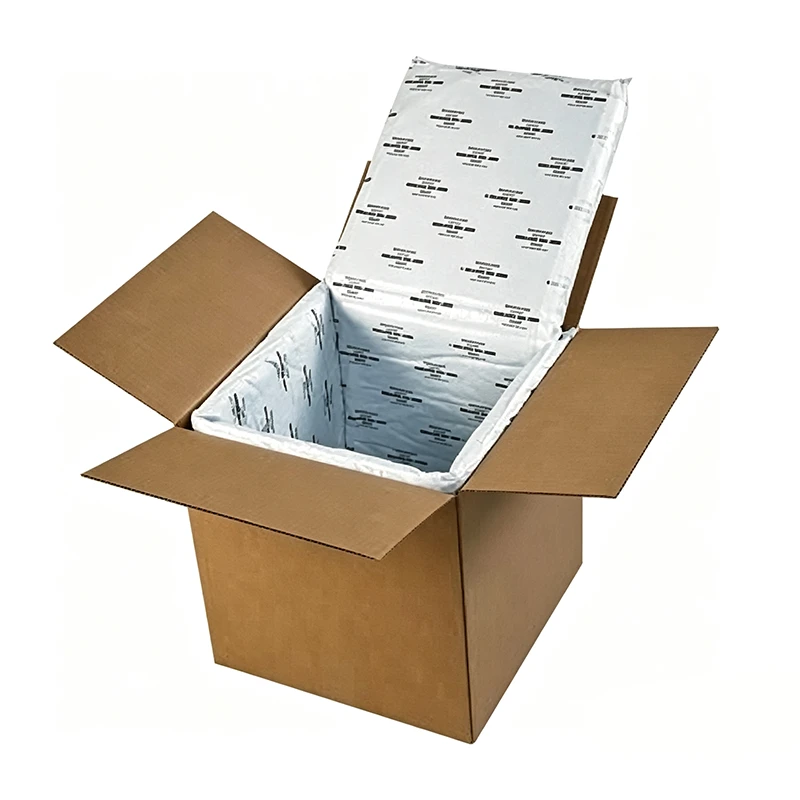
The Importance of Tracking in Cold Chain Logistics
Cold chain logistics is a critical component of many industries, including pharmaceuticals, food and beverage, and biotechnology. Maintaining the integrity of temperature-sensitive products throughout the shipping process is paramount to ensuring their safety and efficacy. Without proper temperature control, products can spoil, lose their potency, or even become hazardous. This is where tracking technology plays a crucial role.
By tracking reusable cold chain packaging, companies can monitor the location and environmental conditions of their shipments in real-time. This allows them to identify and address potential issues before they escalate, ensuring that products arrive at their destination in optimal condition. Additionally, tracking provides valuable data that can be used to optimize supply chain operations, reduce costs, and improve overall efficiency.
Technologies for Tracking Reusable Cold Chain Packaging
There are several technologies available for tracking reusable cold chain packaging, each with its own advantages and limitations. Some of the most common technologies include:
- RFID (Radio Frequency Identification): RFID tags are small, electronic devices that can be attached to packaging and used to transmit data wirelessly. RFID technology allows for easy and efficient identification and tracking of packages, even in large quantities. It can provide real-time information on the location, temperature, and other environmental conditions of the packaged product.
- GPS (Global Positioning System): GPS technology uses satellites to determine the precise location of a package. It is commonly used for tracking larger shipments or for monitoring the movement of vehicles transporting cold chain products. GPS tracking provides accurate and up-to-date location information, allowing companies to optimize routes, reduce delivery times, and improve overall supply chain visibility.
- Bluetooth and Wi-Fi: Bluetooth and Wi-Fi technologies can be used to create a local network of sensors and devices that can communicate with each other and transmit data. These technologies are often used in combination with other tracking technologies, such as RFID or GPS, to provide more detailed and comprehensive information about the condition of the packaged product.
- Sensor-based Tracking: Sensor-based tracking systems use a variety of sensors, such as temperature sensors, humidity sensors, and shock sensors, to monitor the environmental conditions of the packaged product. These sensors can be integrated into the packaging itself or attached to it, and they can transmit data wirelessly to a central monitoring system. Sensor-based tracking provides real-time feedback on the temperature, humidity, and other environmental conditions of the packaged product, allowing companies to take proactive measures to ensure its integrity.
Benefits of Tracking Reusable Cold Chain Packaging
Tracking reusable cold chain packaging offers several benefits to companies in the cold chain logistics industry. Some of the key benefits include:
- Improved Product Quality and Safety: By monitoring the temperature and other environmental conditions of the packaged product in real-time, companies can ensure that it remains within the required range throughout the shipping process. This helps to prevent spoilage, loss of potency, and other quality issues, ensuring that the product arrives at its destination in optimal condition.
- Enhanced Supply Chain Visibility: Tracking provides companies with real-time information about the location and status of their shipments, allowing them to monitor the progress of their supply chain and identify potential bottlenecks or issues. This enhances supply chain visibility and enables companies to make informed decisions to optimize their operations and improve efficiency.
- Reduced Costs: Tracking reusable cold chain packaging can help companies to reduce costs by minimizing product losses, improving inventory management, and optimizing transportation routes. By preventing spoilage and other quality issues, companies can avoid costly product recalls and rejections, while also reducing the need for excess inventory. Additionally, by optimizing transportation routes, companies can reduce fuel consumption and transportation costs.
- Compliance with Regulations: Many industries, such as the pharmaceutical and food industries, are subject to strict regulations regarding the transportation and storage of temperature-sensitive products. Tracking reusable cold chain packaging can help companies to comply with these regulations by providing documentation of the temperature and other environmental conditions of the packaged product throughout the shipping process.
Challenges and Considerations
While tracking reusable cold chain packaging offers many benefits, there are also some challenges and considerations that companies need to be aware of. Some of the key challenges include:
- Cost: Implementing a tracking system can be expensive, especially for small and medium-sized companies. The cost of the tracking technology, as well as the cost of installation, maintenance, and data management, can add up quickly. Companies need to carefully evaluate the cost-benefit ratio of implementing a tracking system and determine whether it is financially viable for their business.
- Data Management: Tracking systems generate a large amount of data, which can be difficult to manage and analyze. Companies need to have a robust data management system in place to collect, store, and analyze the data generated by the tracking system. This requires expertise in data management and analytics, as well as the use of appropriate software and tools.
- Compatibility and Integration: Tracking systems need to be compatible with the existing infrastructure and systems used in the cold chain logistics industry. This includes the packaging, transportation vehicles, and warehouse management systems. Companies need to ensure that the tracking system they choose is compatible with their existing infrastructure and systems and can be easily integrated into their operations.
- Security and Privacy: Tracking systems collect and transmit sensitive information about the location and status of shipments, as well as the environmental conditions of the packaged product. Companies need to ensure that the tracking system they choose has adequate security measures in place to protect this information from unauthorized access, use, or disclosure. Additionally, companies need to comply with applicable data protection and privacy regulations.
Conclusion
In conclusion, tracking reusable cold chain packaging is a valuable tool for companies in the cold chain logistics industry. By monitoring the location and environmental conditions of their shipments in real-time, companies can improve product quality and safety, enhance supply chain visibility, reduce costs, and comply with regulations. However, implementing a tracking system requires careful consideration of the cost, data management, compatibility, and security of the system. As a supplier of Reusable Cold Chain Packaging, I'm committed to helping my customers find the right tracking solution for their needs. If you're interested in learning more about our Reusable Cold Chain Packaging or our tracking solutions, please don't hesitate to contact us to discuss your specific requirements and explore potential collaboration opportunities.
References
- Smith, J. (2023). The Future of Cold Chain Logistics. Logistics Journal, 15(2), 45-52.
- Johnson, A. (2022). Tracking Technologies for Cold Chain Packaging. Packaging Technology Review, 20(3), 67-74.
- Brown, C. (2021). Benefits of Tracking in Cold Chain Logistics. Supply Chain Management Magazine, 12(4), 32-39.